
Quantitative Veterinary Diagnostics, Delivered in Minutes
Migibio's fluorescence immunochromatographic technology (FICT) delivers rapid, quantitative, and highly sensitive results for animal disease detection and health assessment — from companion animals to farm livestock.
Application Cases
Trusted single-source solutions across diagnostics and safety.
Veterinary Diagnostics
From state-of-the-art diagnostics to single-use rapid tests, Migibio offers a trusted single source for veterinary diagnostics — including farm animals (pigs, cattle, horses) and companion animals (dogs, cats).
Food Safety Detection
From veterinary drug residue to mycotoxin — from farm to dinner table — Migibio provides a total solution for food safety detection to protect security and health.
Environmental Protection
Innovative heavy metal ion detection technology improves sensitivity and specificity, enhancing detection efficiency against environmental pollution.
Why Choose Us
Quality, precision, and support — the Migibio standard.
High-Precision, Rapid Diagnostics
Immunochromatographic equipment and reagents deliver fast, accurate, quantitative results for timely detection and treatment.
Strict Quality Control
ISO9001 and GMP-certified production with internal quality controls and full lot traceability ensure the stability and reliability of every product.
Professional Support
Comprehensive technical support, IFU/SOP documentation, and tailored service for the best experience and outcomes.
Equipment
View reagents →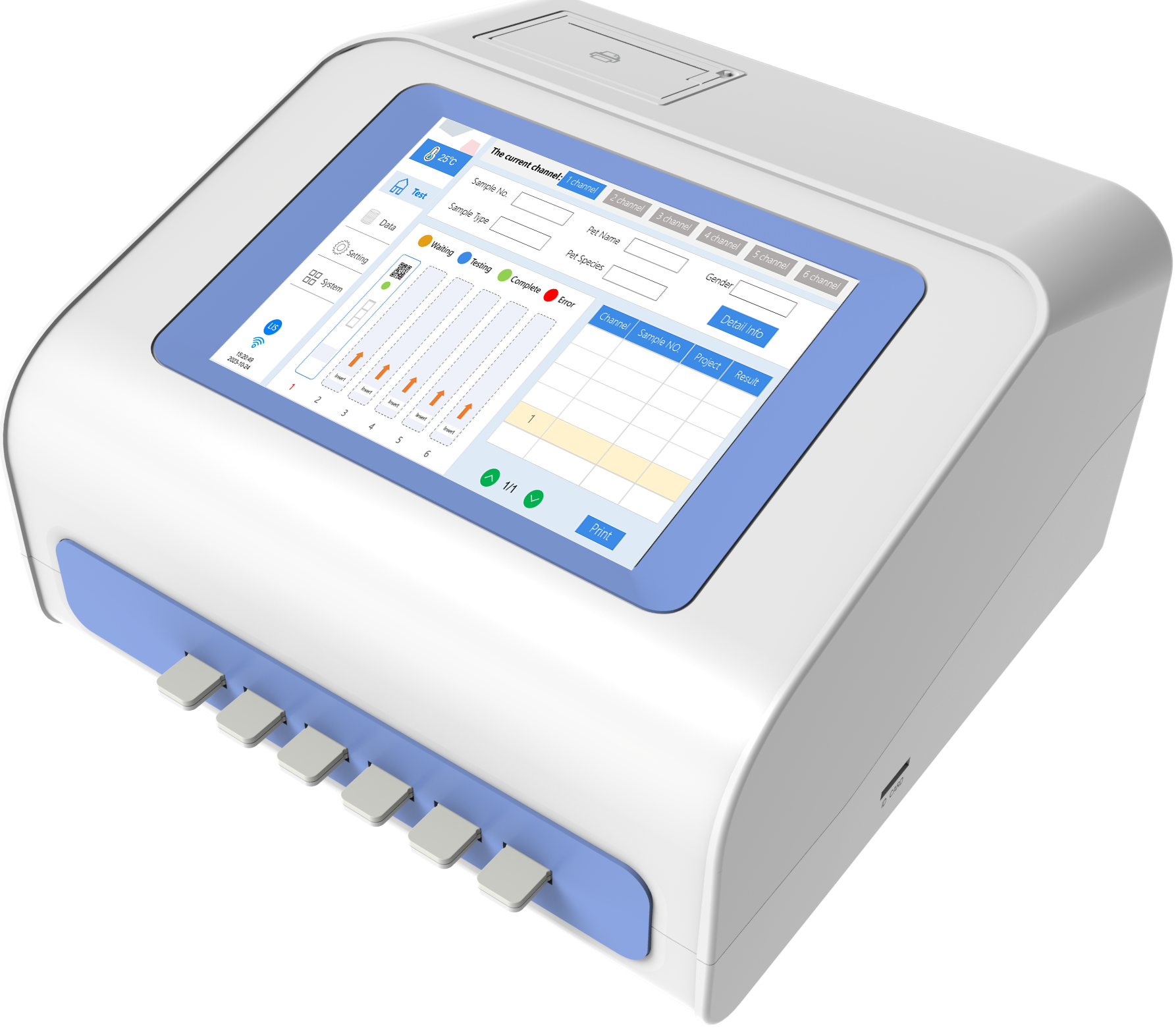
FIA880
Migibio FIA880 — six-channel veterinary immunofluorescence quantitative analyzer for high-throughput labs. Simultaneous multi-sample testing, up to 300 tests/hour, pg/ml sensitivity. ISO9001/GMP-certified manufacturer.
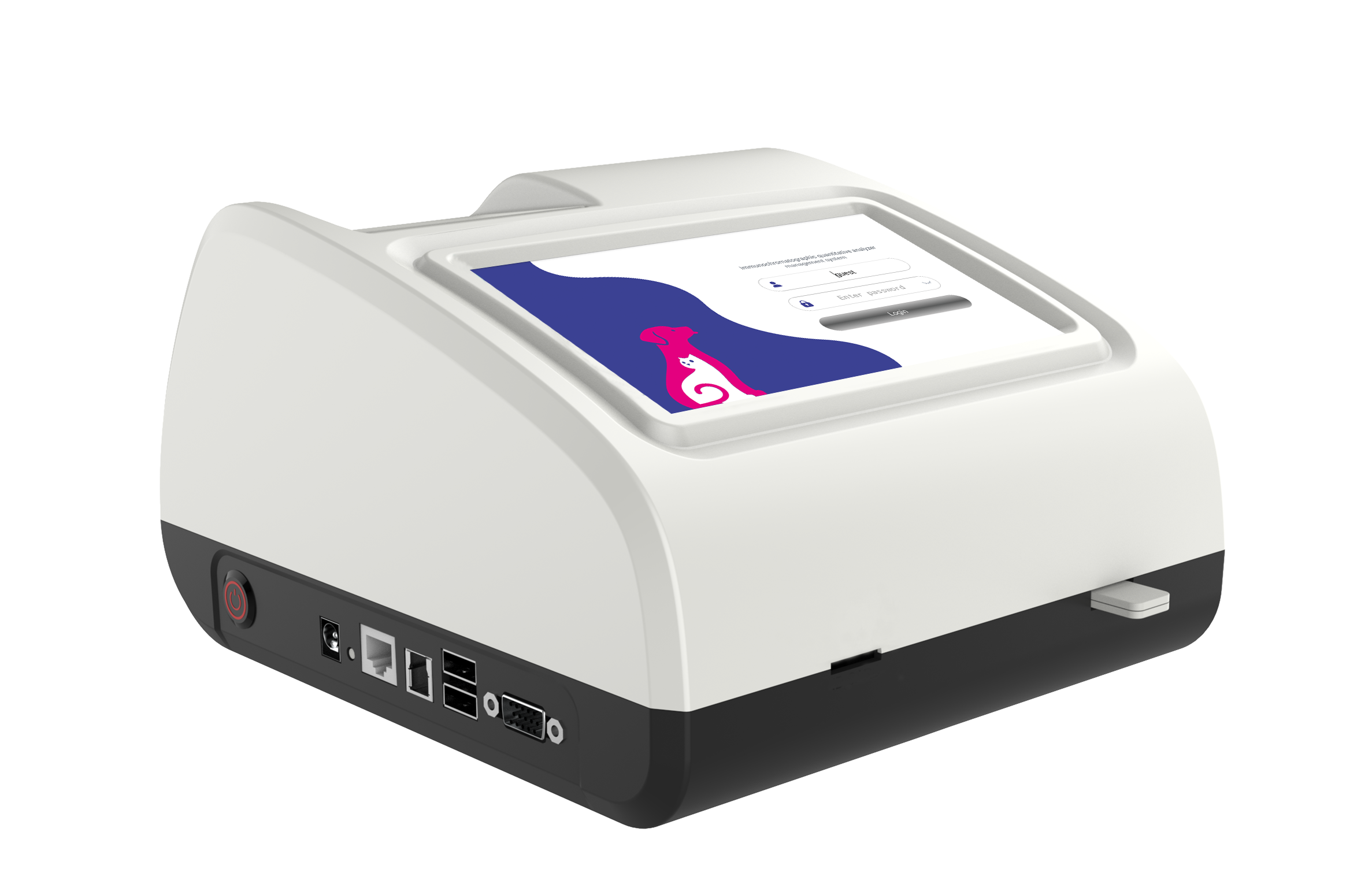
FIA680
Migibio FIA680 — single-channel veterinary immunofluorescence quantitative analyzer for POCT diagnostics. Results in 3–11 minutes, pg/ml sensitivity, CV <10%, up to 200 tests/hour. ISO9001/GMP-certified manufacturer.
Featured Reagents
View all →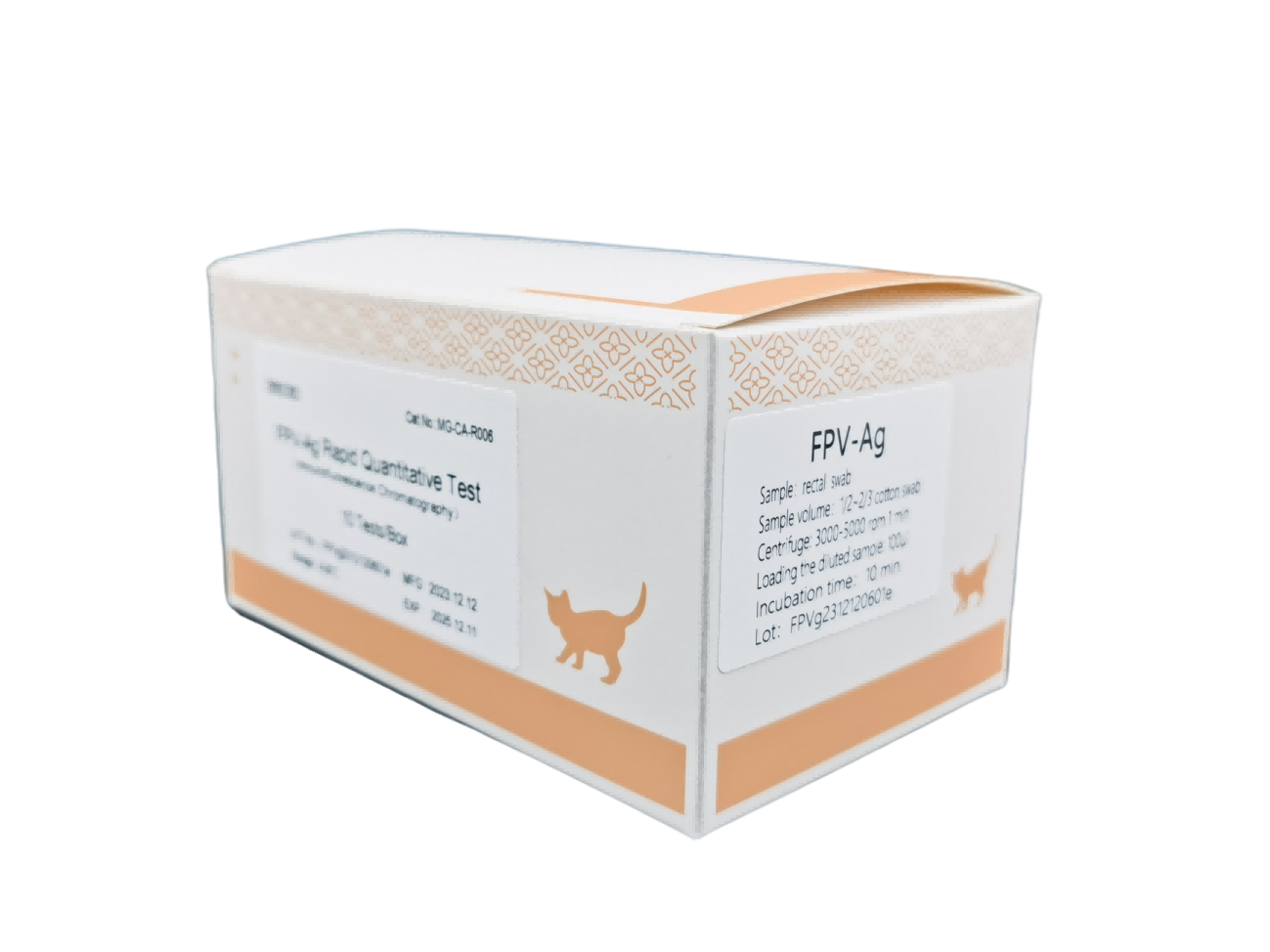
Migibio (Cat) Feline Calicivirus Antibody (FCV-Ab) Rapid Quantitative Test Kit
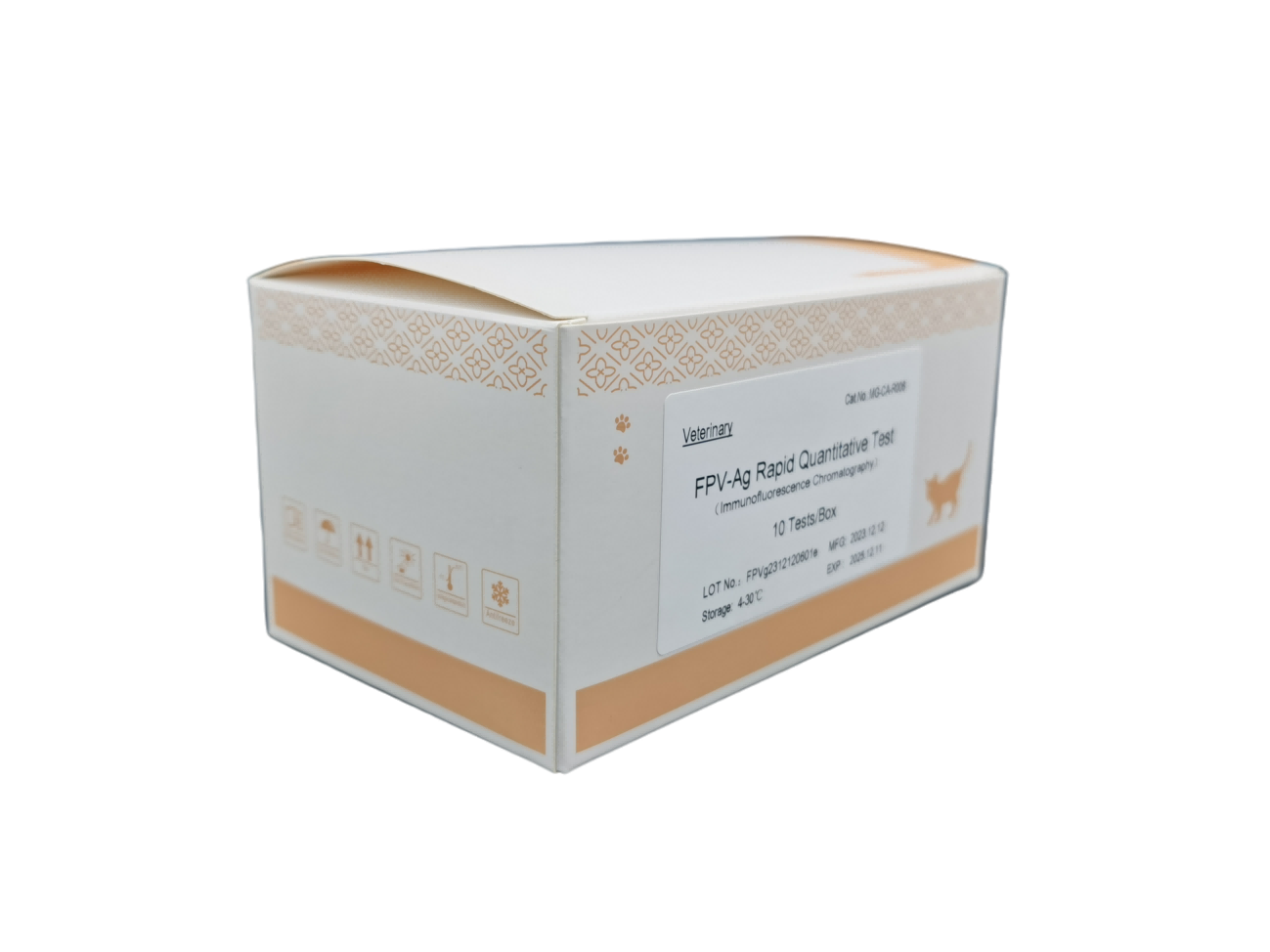
Migi (Cat) Feline FPV/FHV/FCV Ab Rapid Quantitative Test Kit
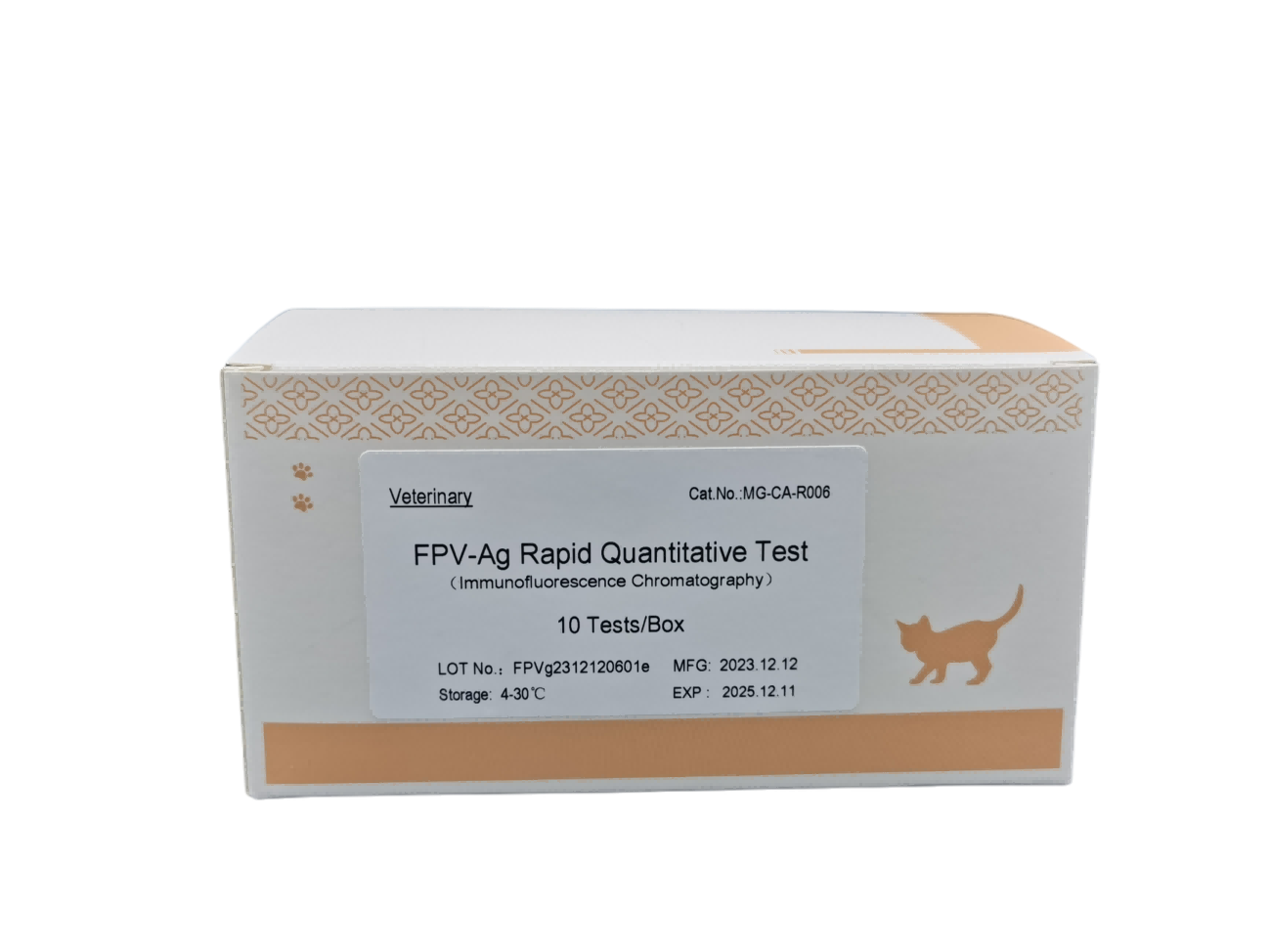
Migi (Cat) Feline Calicivirus Antigen (FCV-Ag) Rapid Quantitative Test Kit
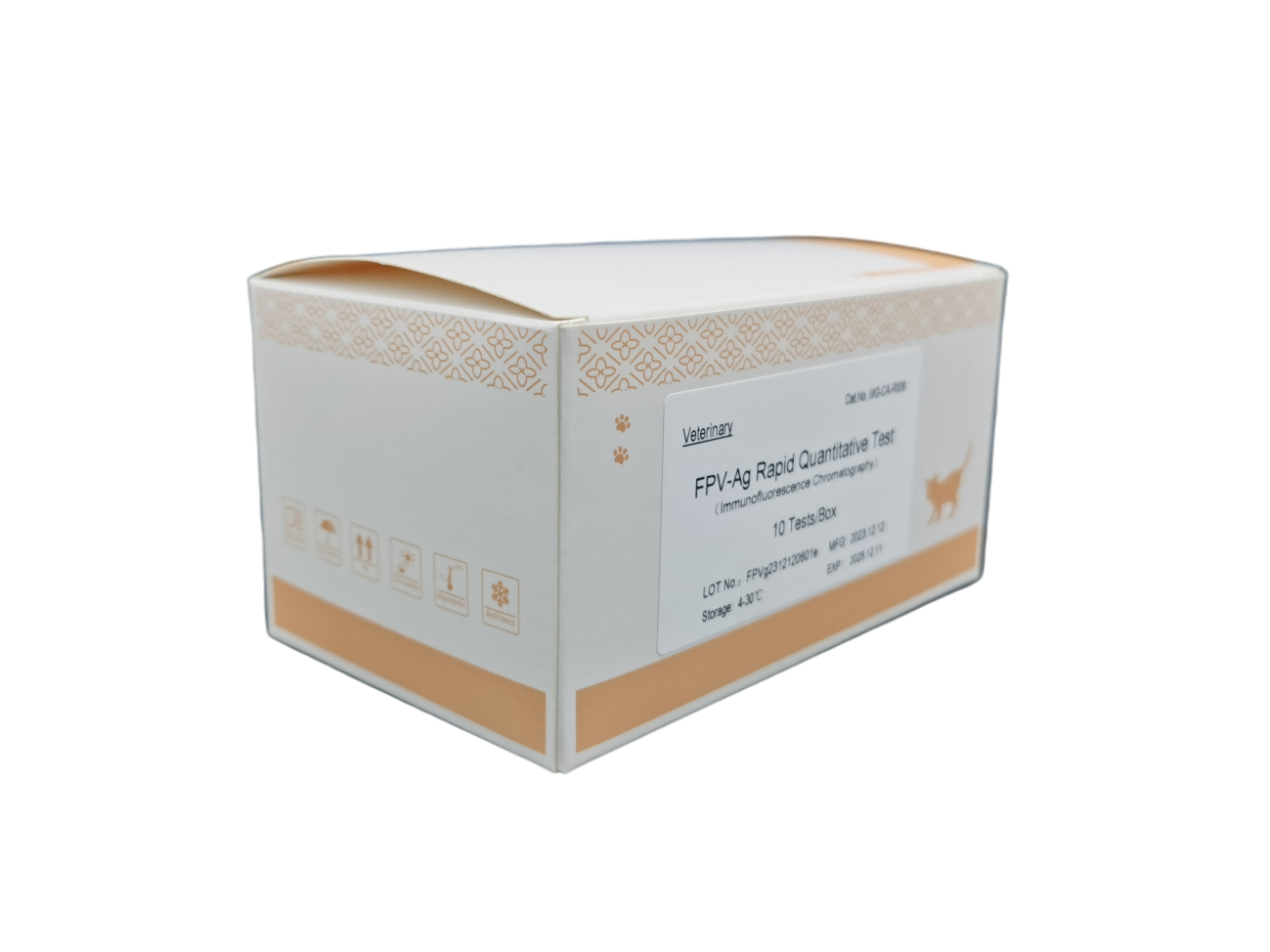
Migi (Cat) Feline Coronavirus Antigen (FCoV-Ag) Rapid Quantitative Test Kit
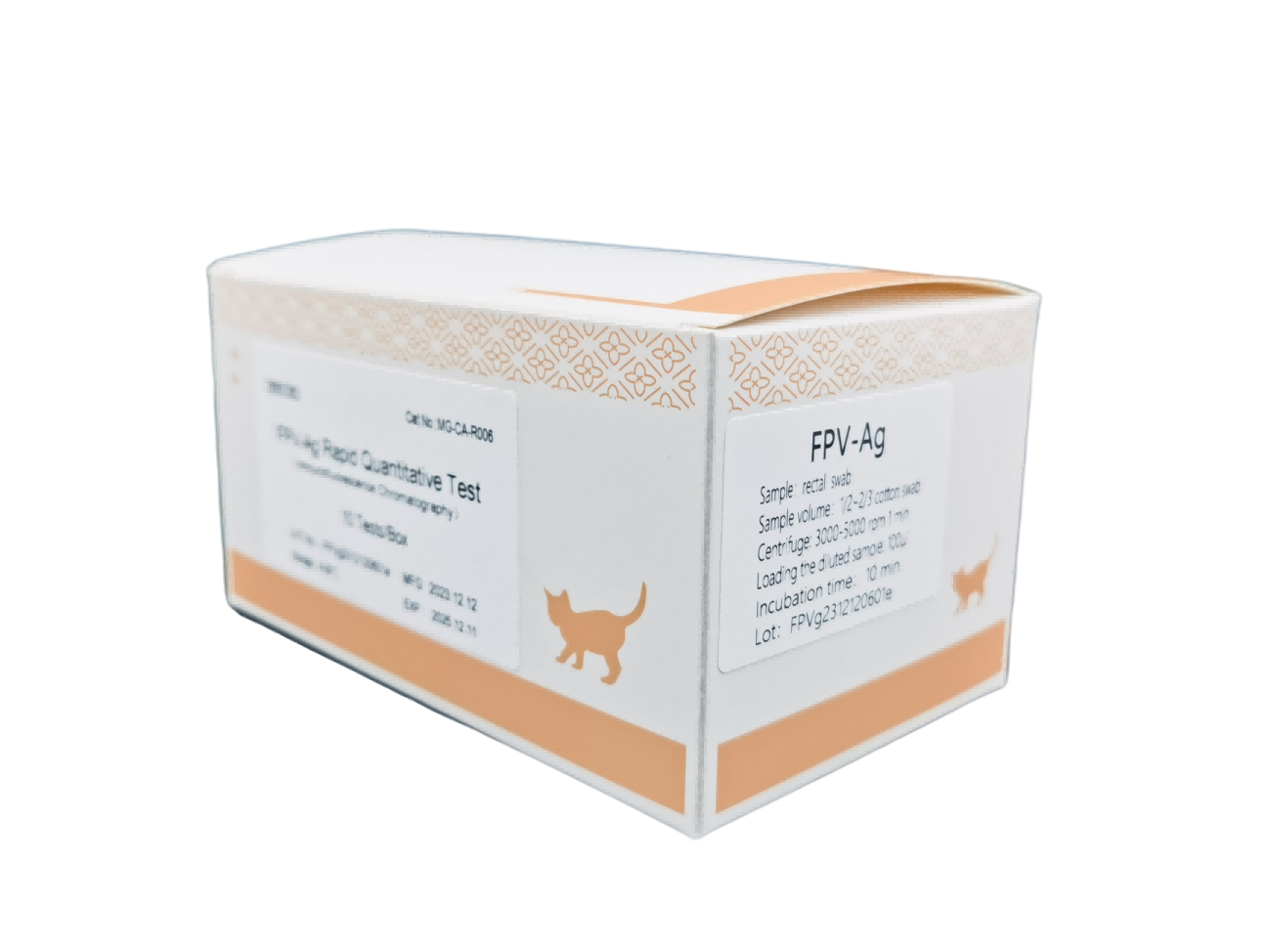
Migi (Cat) Feline Cystatin C(fCys C) Rapid Quantitative Test Kit
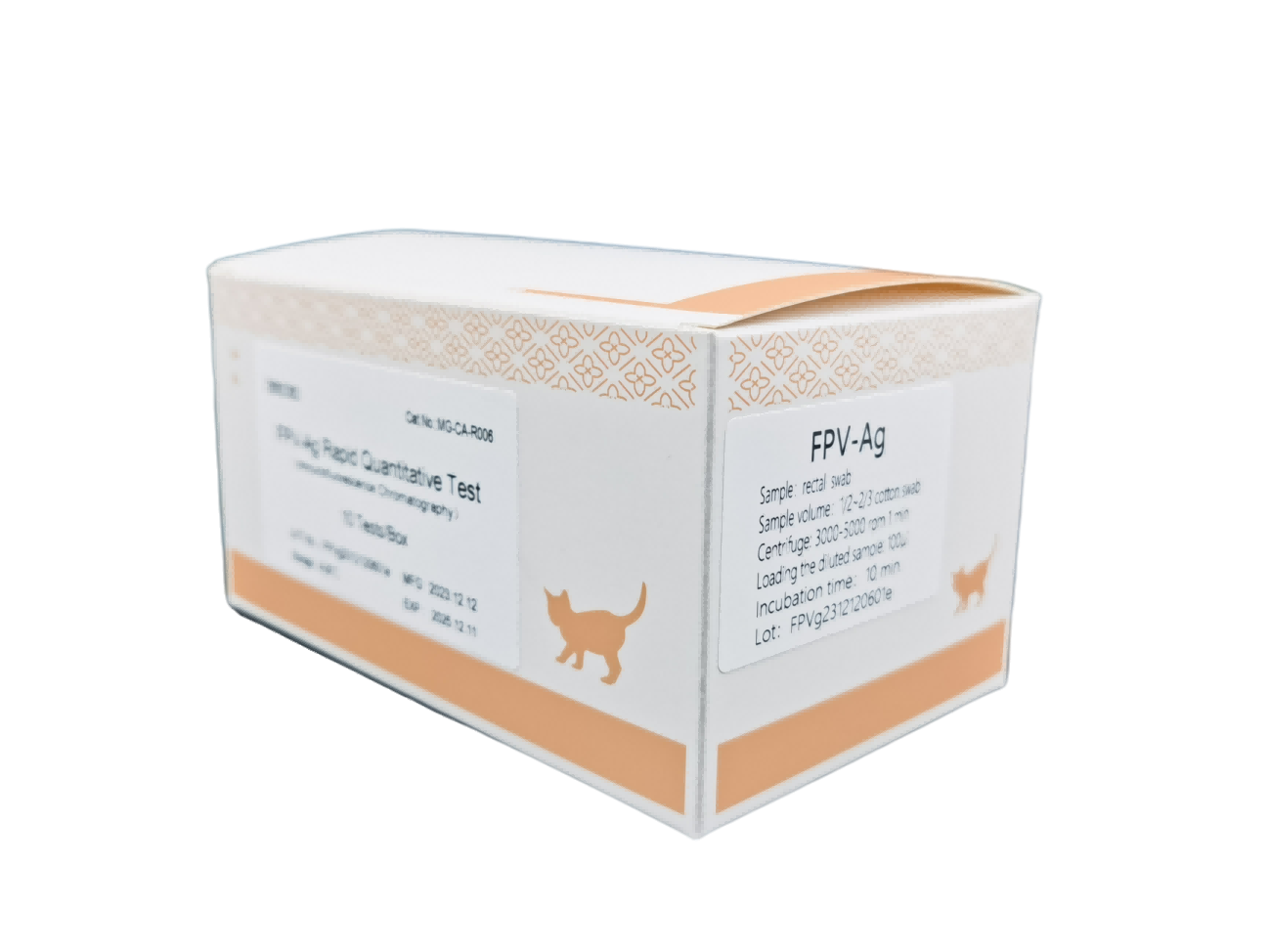
Migi (Cat) Feline Herpes Virus Antigen (FHV-Ag) Rapid Quantitative Test Kit
Latest Insights
View all posts →Veterinary Biomarker Monitoring: Kidney, Cardiac, and Beyond
A complete guide to veterinary biomarker monitoring: SDMA, cystatin C, NT-proBNP, pancreatic lipase, CRP, SAA, thyroid hormones, and reproductive markers. Learn what each biomarker detects and how quantitative testing enables earlier diagnosis.
Read article →Immunofluorescence vs. ELISA vs. PCR: Choosing the Right Diagnostic Method
A comparison of the three major veterinary diagnostic methods — fluorescence immunoassay (FICA), ELISA, and PCR. Learn the strengths, limitations, and best-use cases for each, so you can choose the right test.
Read article →Veterinary Laboratory Quality Control: A Complete Guide
A complete guide to quality control in veterinary point-of-care testing: internal vs external QC, calibration, storage, operator training, and the ISO9001 and GMP standards behind reliable results.
Read article →CRP and SAA: Inflammatory Biomarker Testing in Dogs and Cats
A guide to C-reactive protein (CRP) and serum amyloid A (SAA) testing in dogs and cats: how these acute-phase proteins detect and monitor inflammation, and how quantitative testing improves treatment decisions.
Read article →Canine Infectious Disease Testing: The Complete Guide
A complete guide to canine infectious disease testing: parvovirus, distemper, coronavirus, adenovirus, Leishmania, and Toxoplasma. Learn antigen vs antibody testing, when to test, and how to interpret results.
Read article →Canine Progesterone and Relaxin Testing for Breeding
A guide to canine progesterone and relaxin testing for breeding: timing ovulation with progesterone, confirming pregnancy with relaxin, and how quantitative testing improves breeding outcomes.
Read article →